Cantilever Staircase Glass railing

HOW DO FLOATING STAIRS WORK? 2026 floating stairs solutions

Curious about how do Floating Stairs work? 2026 floating stairs solutions – You’ll be glad to know that there are several innovative ways to create the floating stair effect. From sleek cantilevered styles to minimalist structural solutions, floating stairs come in many forms—each with its own unique appeal.
Below, we highlight the designs we most recommend.

How to design and install a floating staircase

This video shows the design process and the construction system of a luxury floating staircase with striking architectural features.  It will bring you to a wonderful journey where you will discover the secrets of our unique Grand Design floating stairs masterpieces.

How do Floating Stairs Work? 2026 floating stairs solutions

    Which is the right cantilever floating treads system for your staircase project?
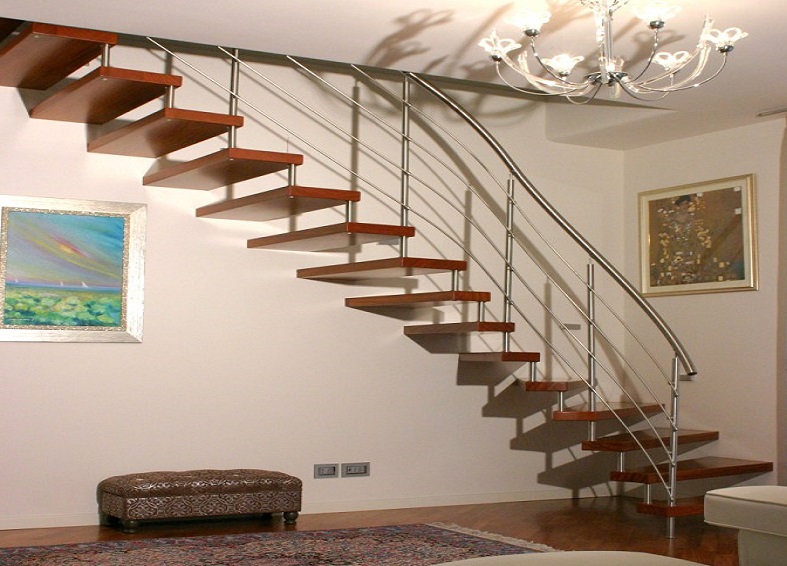
    The first thing you need to check is if you have a wall beside the staircase. Then check if this wall is a self-supporting (load–bearing) wall or not. The floating staircase has to be designed according to this information.
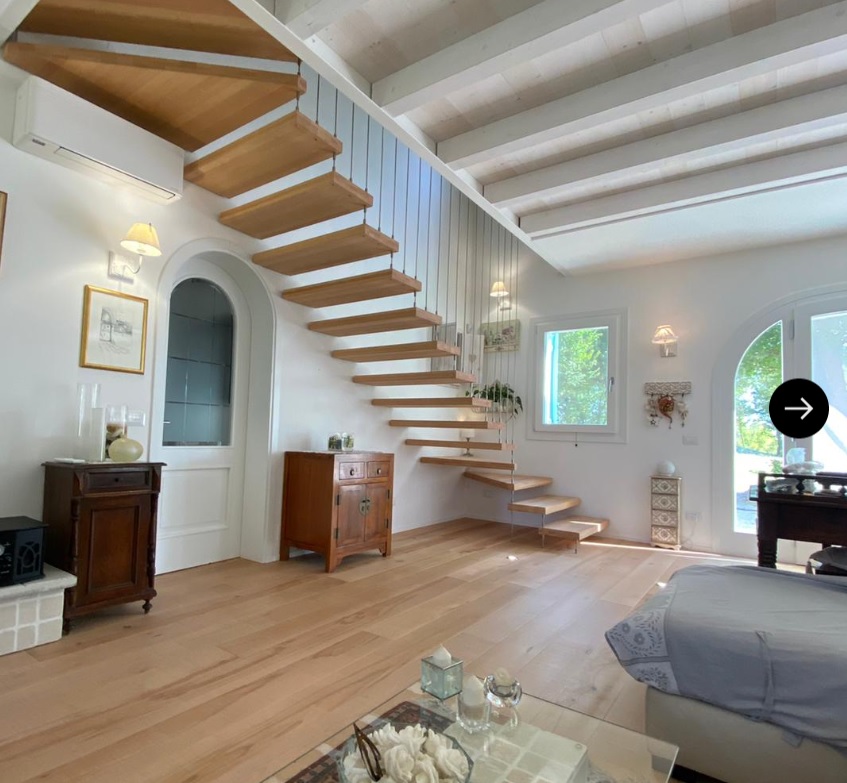
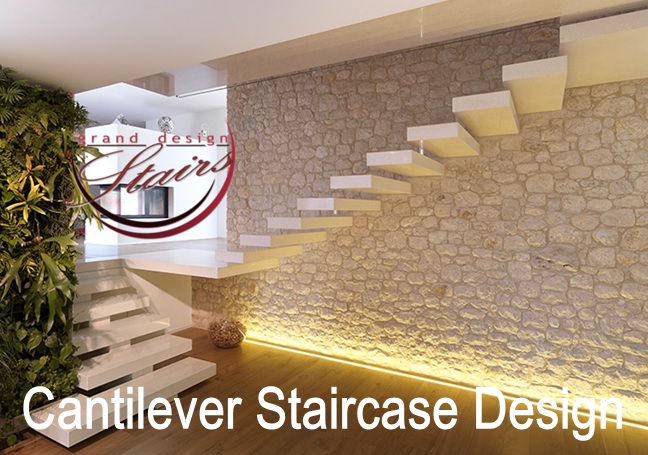
    The floating staircase, also known as cantilever staircase or suspended stairway, is nowadays a very popular design. It is especially welcome among Architects and Interior Designers, thanks to its airy, modern and light style.

    Despite to its minimalist style, the floating treads have a lot of engineering involved in the design, manufacturing and also installation on site.
    Floating Staircases seem to “seamless float” in the air (this is exactly the effect we want to see), but in truth they usually need a strong support system.
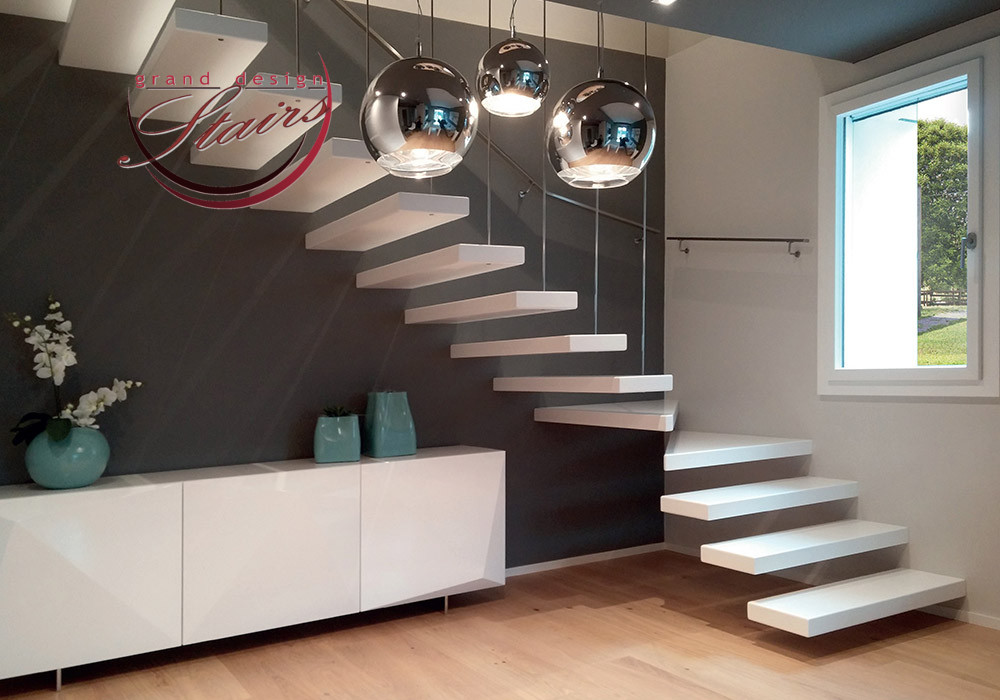
    Furthermore we can easily plan them to match both modern and classic styles. More Floating stairs ideas are available on our Cantilever Stairs collection.

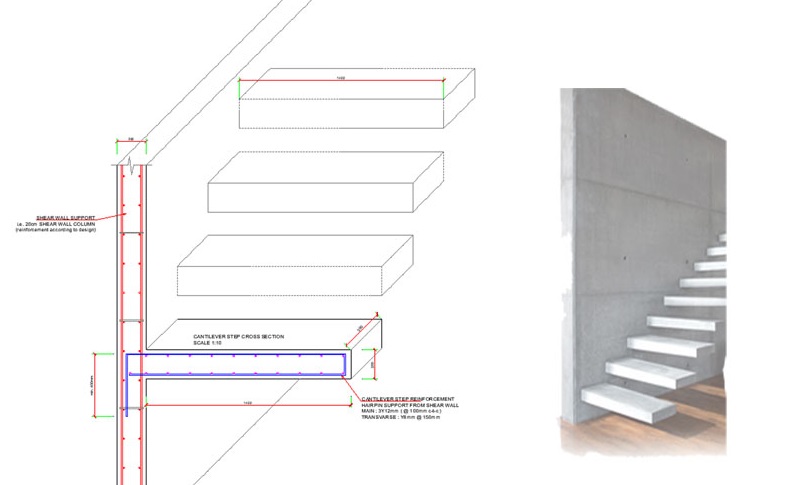
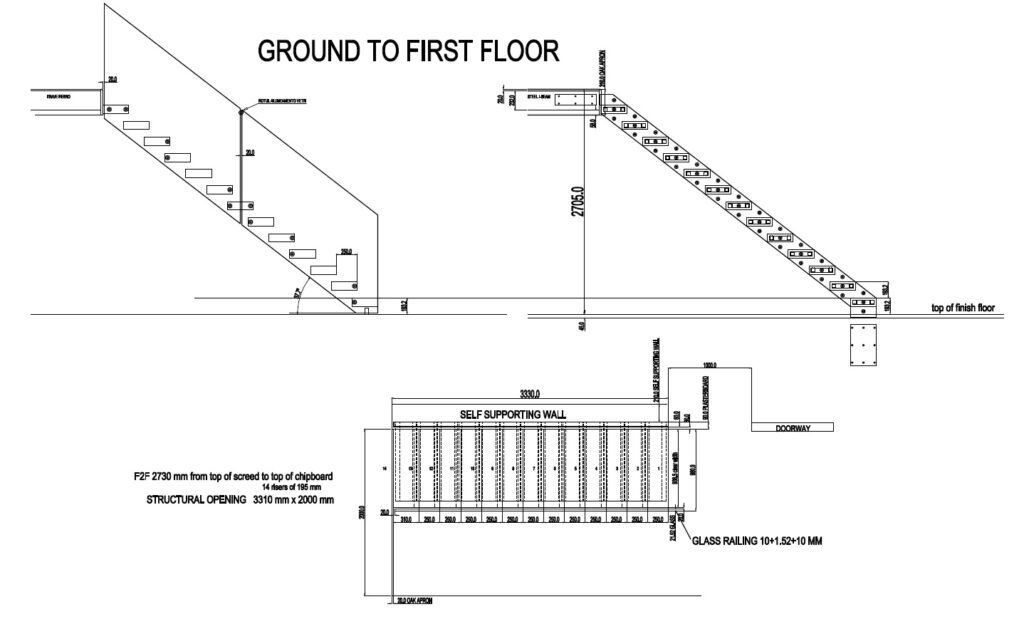
    Floating Staircases and self-supporting walls. Hidden Cantilever Stairs stringer or structure.

    How do Floating Staircases Work?
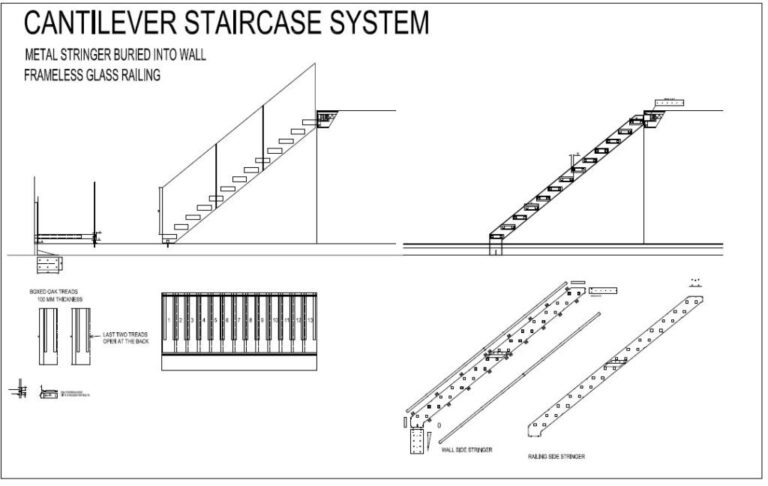
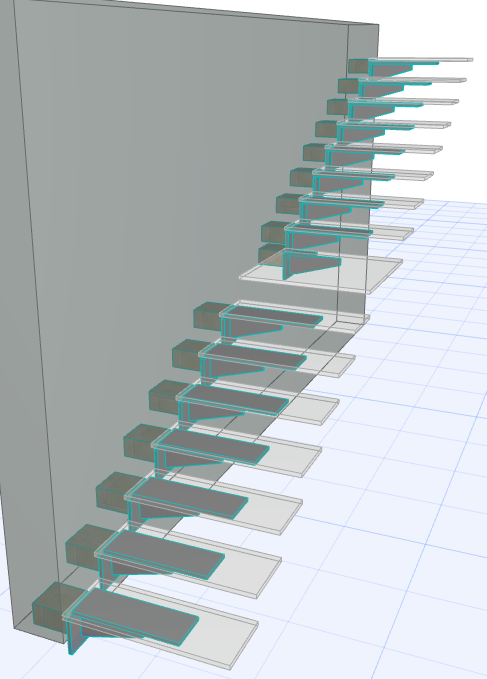
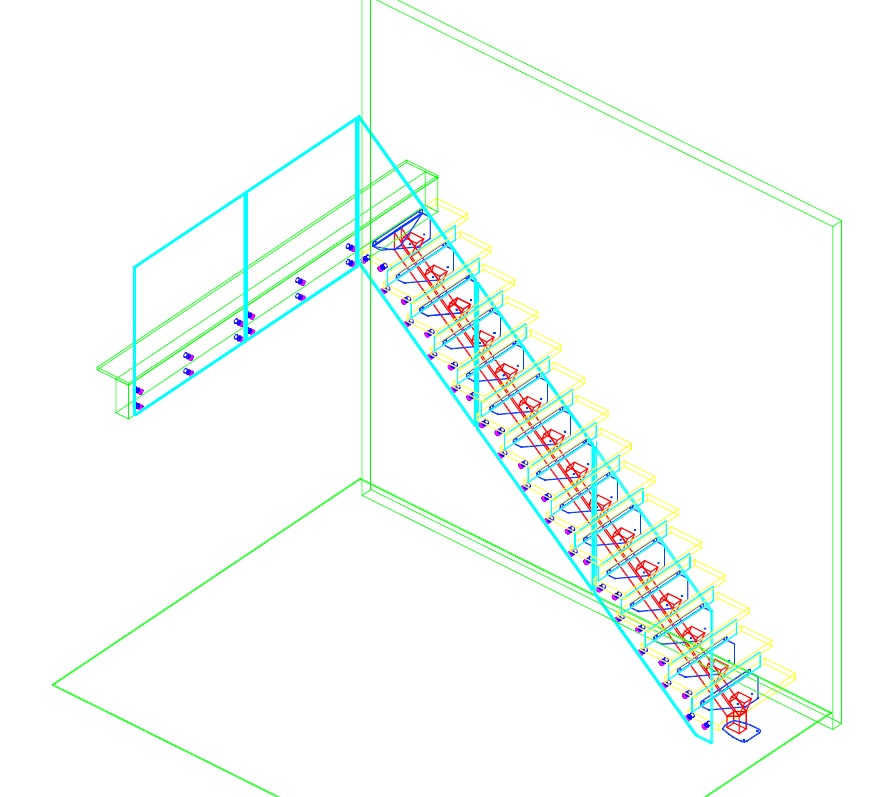
    Grand Design Stairs cantilever staircase drawing
    floating-stairs- cantilever
    How do Floating Staircases Work?

    If there’s a solid, load-bearing wall next to your staircase—like one made of concrete or brick—you have full freedom to choose the design you want. Structurally, there’s nothing holding you back.
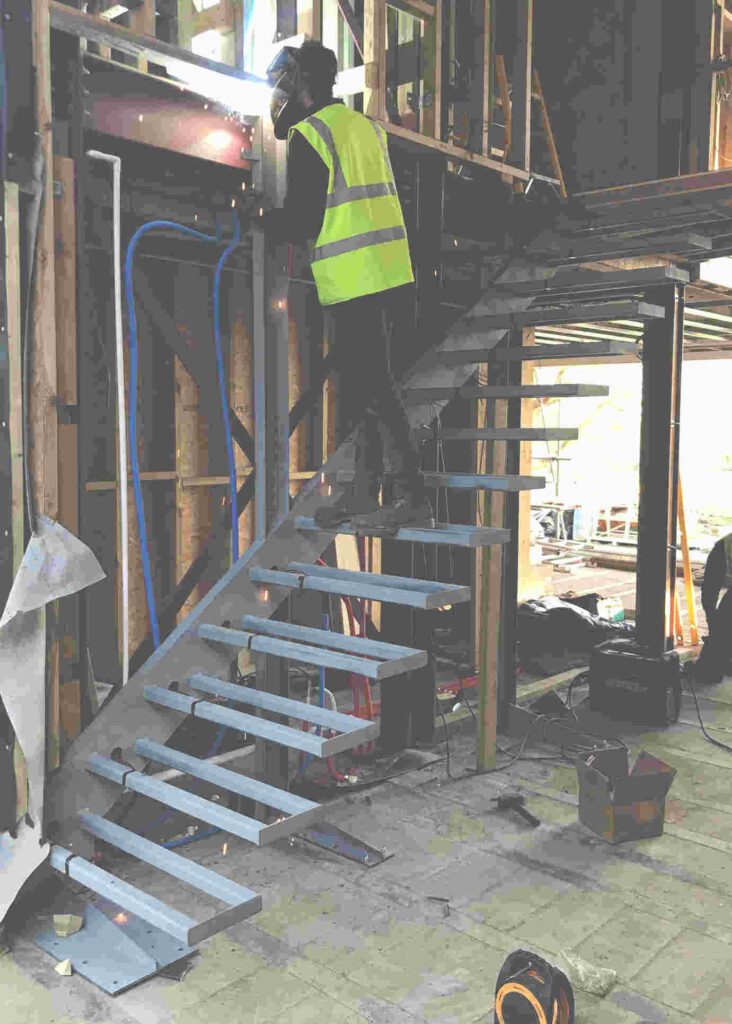
    In this case, we can fabricate a steel cantilever floating support (stringer) that’s hidden inside the wall. This concealed structure allows the treads and railing to be securely anchored while achieving a stunning visual effect: floating steps that appear to float out of the wall.

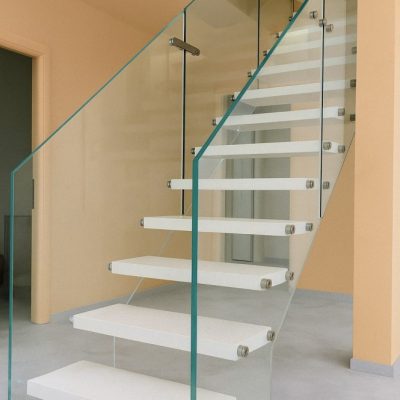
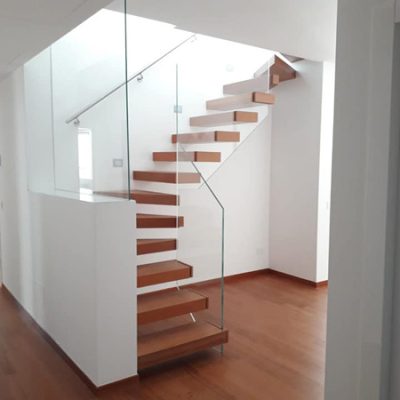
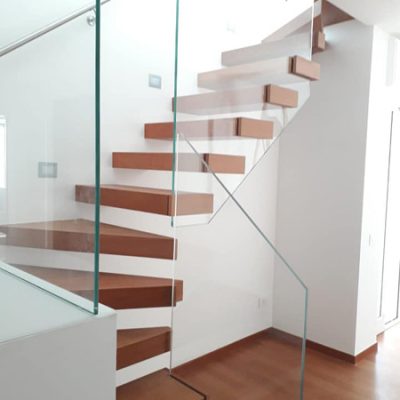
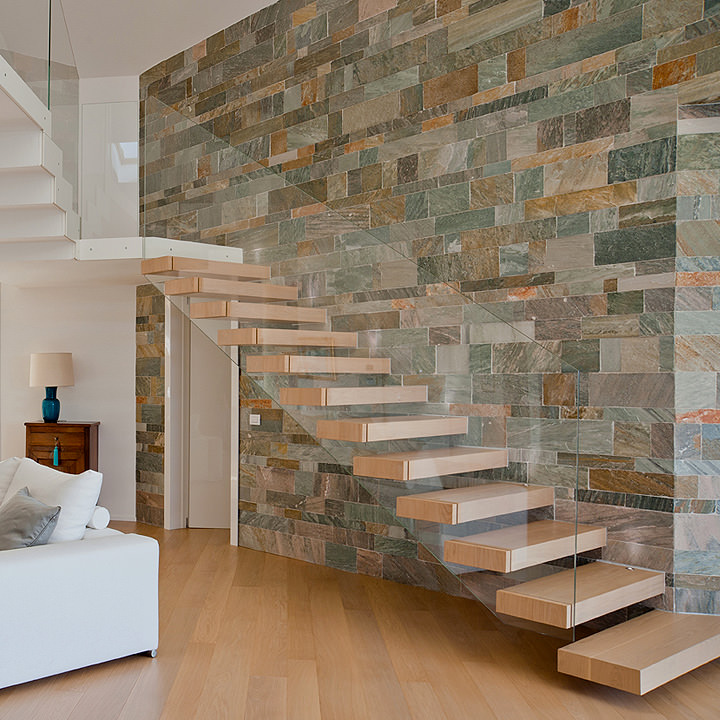
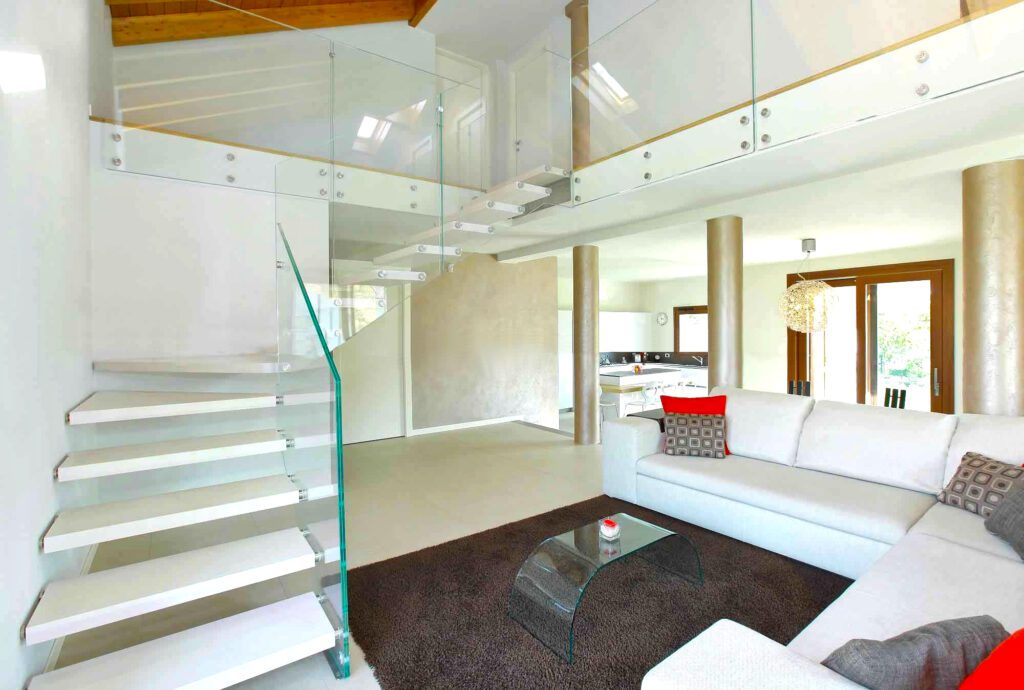
    The railing can be customized in a wide range of designs and materials to match your style. One of the most popular choices is a seamless glass railing, with panels fixed directly to the side of each tread. These can be secured using visible stainless steel stand off fixing for a modern look, or discreetly hidden with elegant wooden caps. Alternatively, an external wooden stringer can be added to enhance both support and visual appeal. How do Floating Stairs Work? 2026 floating stairs solutions

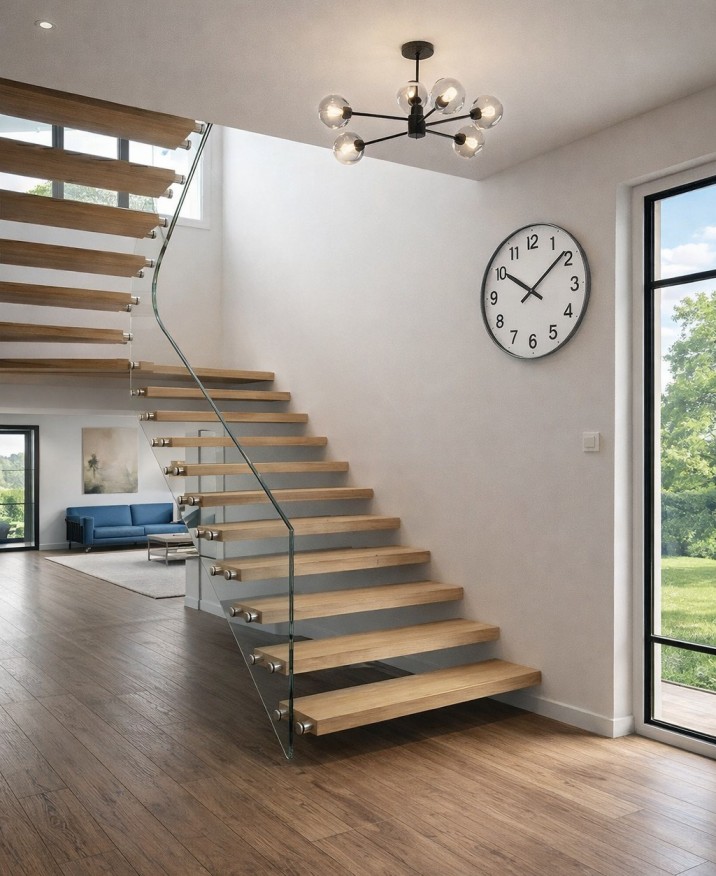
    floating stairs for entrance hall
    floating staircase for entrance hall

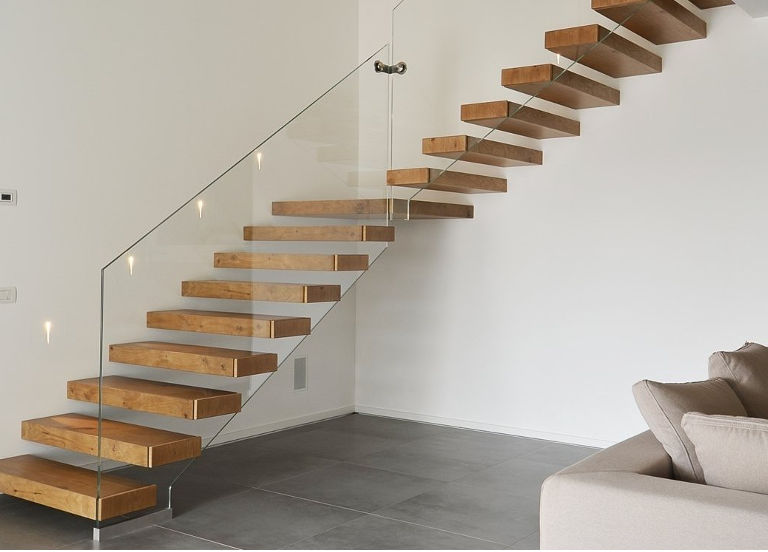
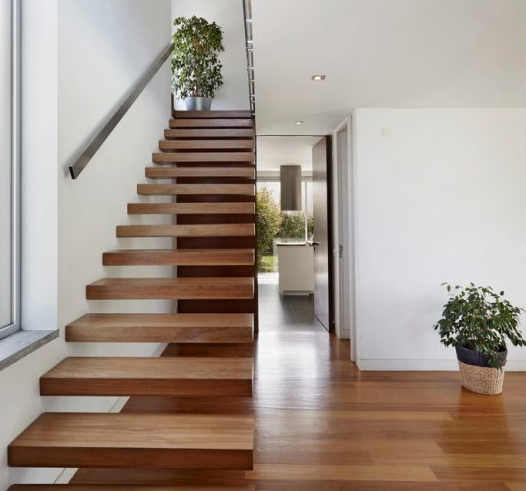
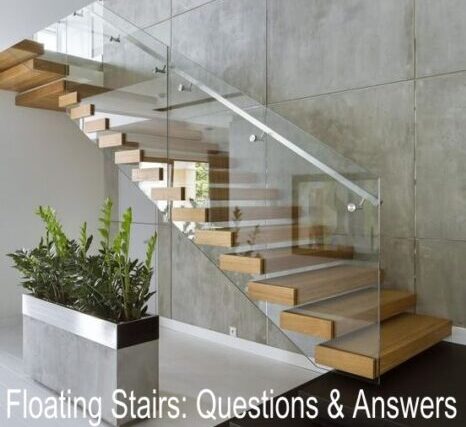
    Design idea for a foyer or entrance hall floating staircase with wooden treads and a sleek glass balustrade. This floating stairs design creates a light and open visual flow. Natural light, clean white walls, and modern lighting elements enhance the architectural simplicity.

    Cantilever Floating Staircase Glass balustrade
    Cantilever Floating Staircase with Glass Railing
    cantilever-staircase-drawing

    Treads are crafted from solid or engineered wood—such as beech, oak, or walnut—and are typically quite thick (80 to 100 mm). These dimensions are often necessary to meet building regulations in many countries, especially for cantilever staircases with open risers.
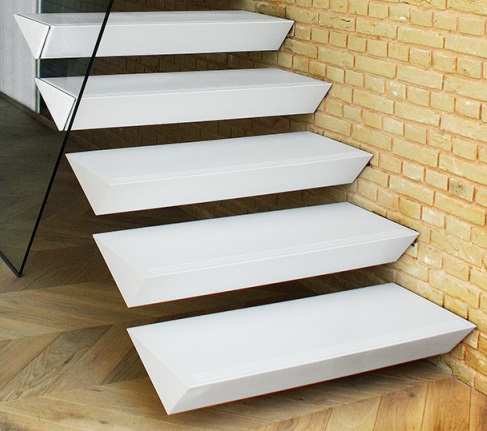
    If you prefer a thinner tread, such as 50 mm, the staircase must include closed risers to ensure the gap between steps doesn’t exceed 100 mm—a common safety requirement. While wood remains a classic choice, modern alternatives like resin or Corian treads are becoming increasingly popular for their clean, contemporary look.

    Corian treads
    Corian cantilever treads

    The installation of this stunning staircase was completed in two carefully planned stages. First, we secured the steel cantilever structure to the self-supporting wall using high-strength chemical anchor bolts, anchoring it firmly to both the floor and the top slab—or steel I-beam, depending on the build. Once the cantilever element was in place, on-site builders could finish the surrounding wall with plaster, plasterboard, or exposed brickwork. With the wall complete, the final touch comes in: fitting the wooden treads and elegant railing to reveal the full architectural impact.

    Floating Staircases and non-load-bearing walls

    If the wall next to the staircase isn’t load-bearing—such as a stud wall, partition, or retaining wall—we can’t anchor a cantilever structure to it. In these cases, we explore smart alternatives. 
    So, how do floating staircases work without a structural wall?
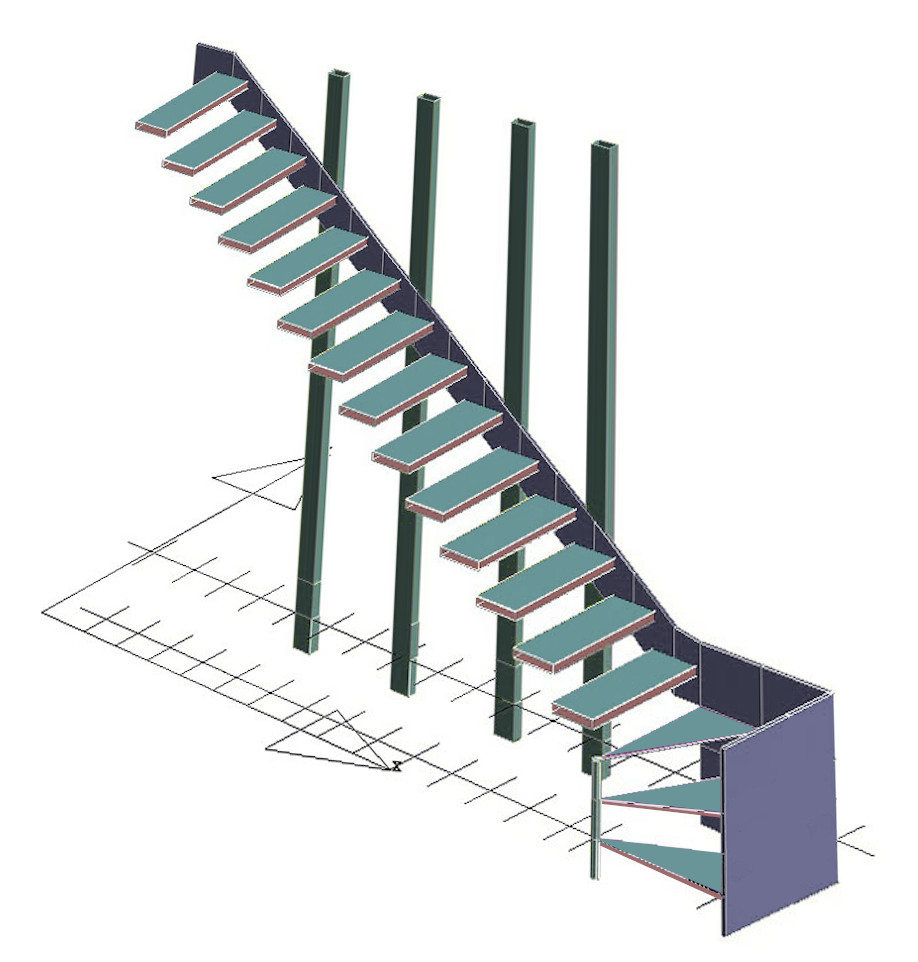
    Our design team studies every detail of the project and creates fully bespoke solutions. One option may involve a specially engineered steel cantilever system with multiple anchor points on both the floor and the ceiling.

    In these setups, intermediate posts are often required. The cantilever support structure resembles a robust steel frame more than a traditional stringer—still achieving the floating staircase look with complete structural integrity.

    Floating staircase cantilever element
    cantilever element

    After the installation of the steel frame the builders on site can build the stud wall and finish it plasterboard, drywall or other systems. The staircase installation can therefore be completed and we can install treads and railing.

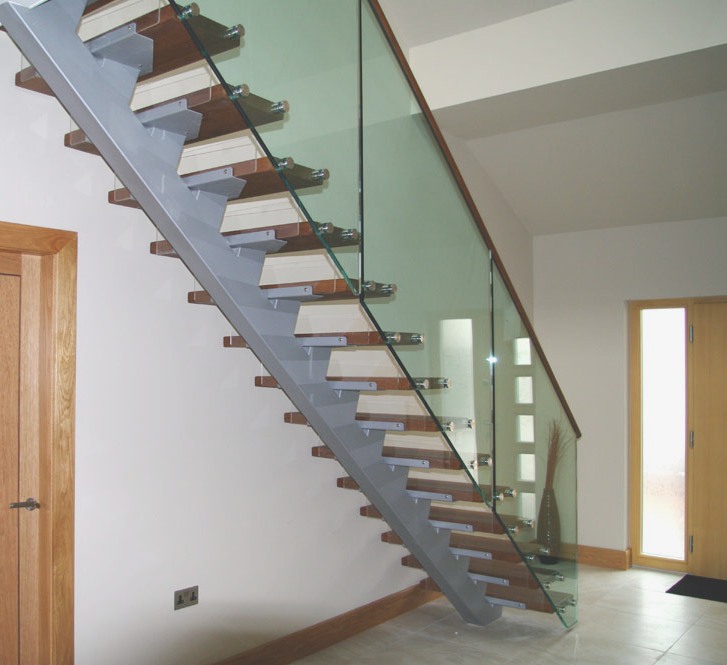
    • Floating Stairs with visible wall stringer. Exposed Stair stringer.

    How do floating stairs work in this case? It’s actually a straightforward and efficient solution. We design a laser-cut steel stringer that can be fixed directly to the wall—often with no major structural modifications. If the adjacent wall is load-bearing, just two or three chemical anchor bolts are usually enough to ensure full stability. However, when working with a stud or partition wall, we’ll custom-engineer the right fixings—sometimes incorporating discreet floor-mounted steel posts. While this version isn’t technically a “true” cantilever staircase, painting the steel stringer the same color as the wall makes it nearly invisible, preserving that elegant floating effect.
    The stringer can be designed as a flat fascia or a modern zig-zag pattern for a lighter, more dynamic aesthetic. You’re free to choose your preferred railing style and material, along with either open or closed risers. Treads can be in wood or steel, depending on the finish you want.

    The best part? Installation is fast and seamless. Since we don’t need to wait for builders to finish the wall first, everything can be installed in one go—stringer, treads, and railing—all in a clean, efficient process.

    Floating Staircase system
    cantilever treads bolted to wall

    How do floating stairs work without a supporting steel stringer? In some cases, we can design the cantilever treads to be fixed directly to a solid, load-bearing wall—no visible support needed. This minimalist option works beautifully when there are no structural concerns and the stair width remains moderate (typically up to 850–900 mm).

    Each cantilever step is securely anchored to the wall using chemical bolts and stainless steel spacers. This setup is especially ideal for solid wood treads, combining strength with visual lightness. For open-riser stairs designs, we may also recommend adding stainless steel spacers between treads to minimize flexibility and enhance stability.
    To further reinforce the structure, we can integrate closed risers or install a floor-mounted glass railing. These elements not only increase overall rigidity but also enhance the visual impact of the staircase.

    How do Floating Stairs Work?
    How do Floating Stairs Work?

    The most minimal floating staircase design involves fixing each tread to the wall with visible stainless steel bolts. 

    On the opposite side, a sleek internal glass railing provides both safety and the additional stiffness required—achieving a clean, sculptural look with full structural confidence.

    If you’re aiming for a more traditional or minimalist interior style, stainless steel ceiling hangers are a great alternative to glass balustrades. These vertical supports provide a refined architectural detail to the staircase.
    Typically made from stainless steel, the hangers can also be powder-coated in any color to suit your space—whether you want them to stand out as a feature or blend in seamlessly with the surroundings. 

    How do Floating Stairs Work?
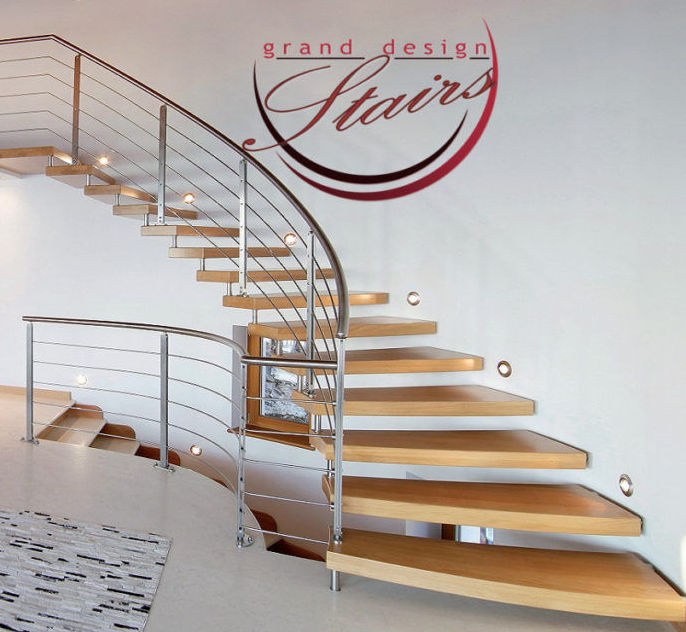
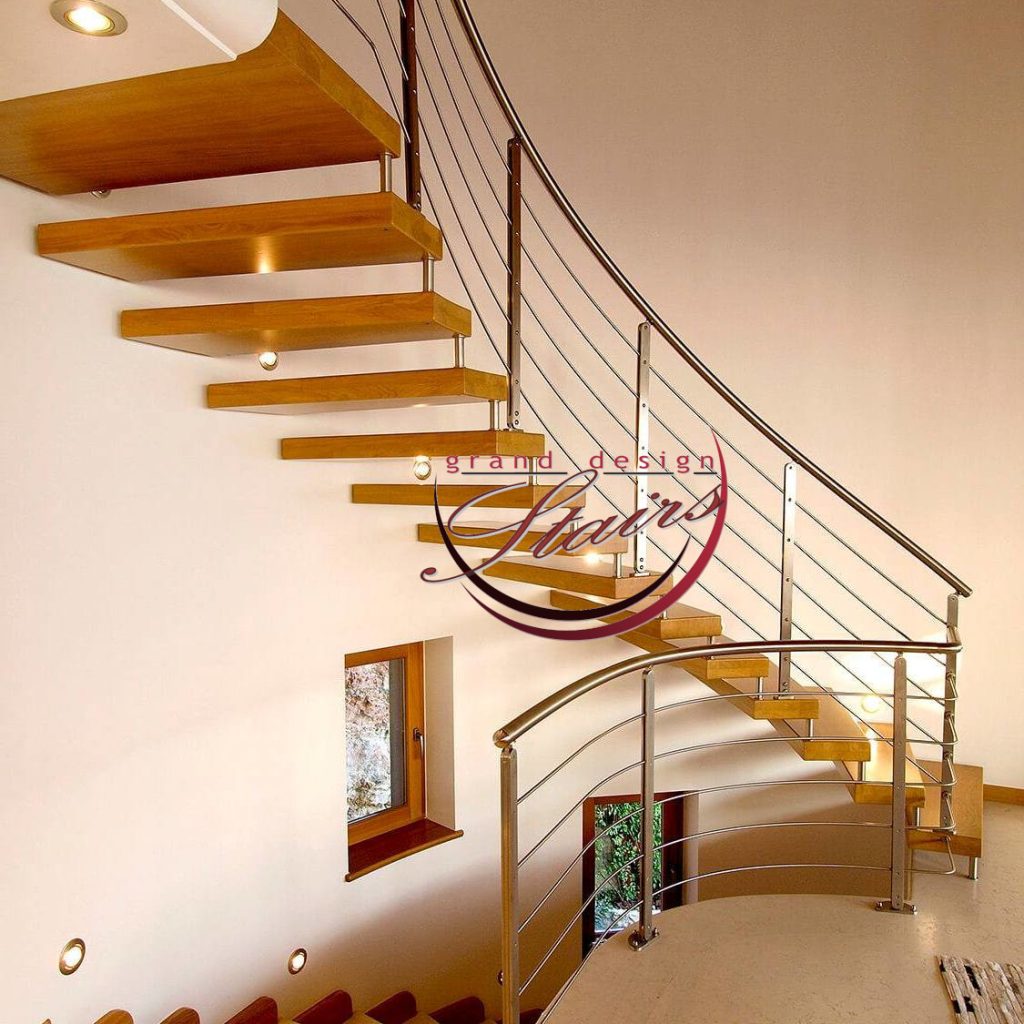
    Curved floating treads fixed to wall
    curved cantilever staircase
    Curved floating treads fixed to wall

    • Floating Stairways with Structural Glass Walls

    How do Floating Stairs Work? 2026 floating stairs solutions
    In some projects, the staircase is designed to stand alone—without any adjacent walls—becoming the central architectural feature of a room, atrium, or lobby. In these cases, our stairs designers develop fully customized solutions to support the structure without compromising the visual openness of the space.

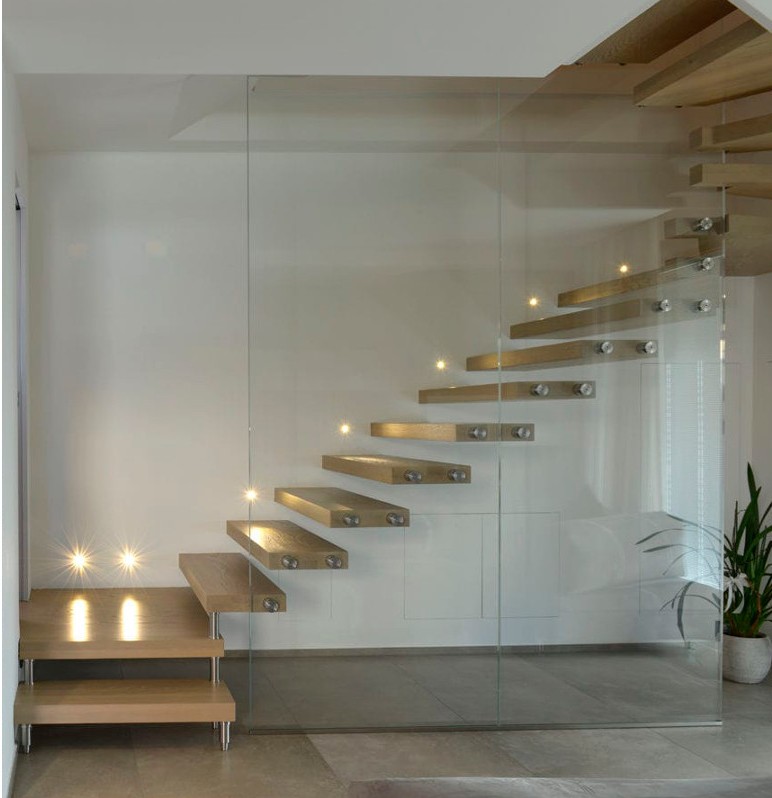
    One of the most refined options is the use of structural glass walls placed on either side of the staircase. These transparent glass panels are engineered to bear the load of each tread while maintaining a light, floating appearance.

    Treads are often crafted from wood to complement surrounding flooring and furniture, but for a more dramatic and contemporary look, we can also design them in laminated toughened glass. This creates a striking, weightless effect—blending technical performance with pure elegance and making the staircase a true design centerpiece.

    How do floating stairs work when supported by glass? In these designs, the glass walls must be precisely engineered to carry the full structural load of the staircase. They are securely anchored to the floor and/or ceiling, forming the backbone of the entire system.
    We fasten each tread to the glass using specially designed stainless steel bolts, ensuring both strength and visual clarity. Additional stainless steel rails or connectors provide firm anchoring to the floor and ceiling. Every bolt, bracket, and fixing is calculated based on the specific load it must support, guaranteeing a staircase that is not only beautiful—but structurally sound.

    We approach each project with meticulous care, collaborating with clients, structural engineers, and architects to develop the best custom solution. Where required, we also provide detailed structural engineering reports, ensuring compliance with all applicable regulations. 
    This level of precision is especially critical for commercial staircases, such as those installed in shops, restaurants, schools, public offices, and sports or event venues—where both safety and design impact are equally essential. How do Floating Stairs Work? 2026 floating stairs solutions

    Cantilever Staircase Glass railing
    cantilever staircase with gass wall

    Quasi-floating stairs or central spine staircases

    When the structure of a building doesn’t allow for a fully floating or cantilever staircase, we offer a range of quasi-floating stairs solutions that achieve a similar modern look without the need for wall-mounted tread brackets.

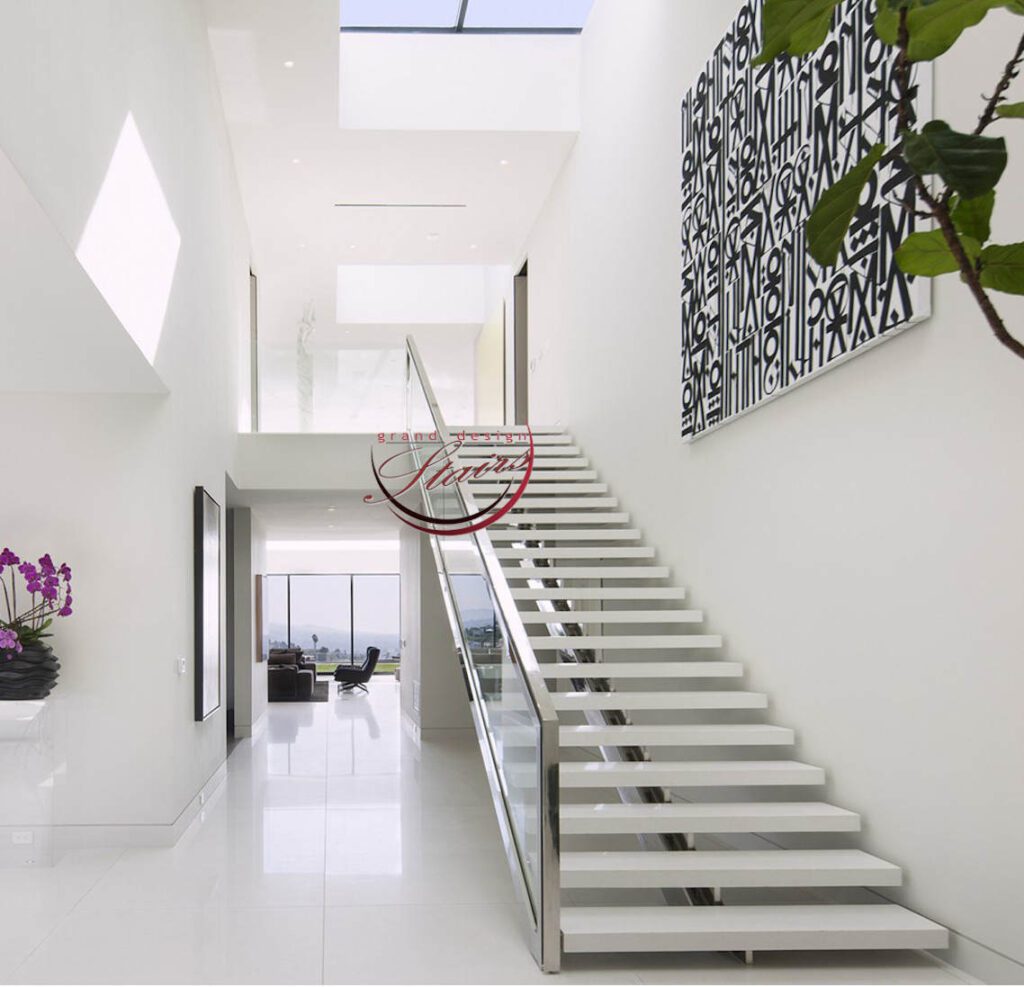
    One of the most popular options is the central spine floating staircase, also known as a mono-stringer floating staircase. In this design, a central steel spine runs beneath the treads, providing full structural support while maintaining an open, minimalist feel.

    This system allows for great flexibility in railing design—whether you prefer sleek glass, metal, or a combination of materials. The central spine itself can be styled with a clean, minimal profile or a more substantial, bold presence, depending on your aesthetic.

    No matter the finish or layout, a quasi-floating staircase with a steel central spine delivers a sturdy, safe, and visually striking staircase—perfect for modern homes or commercial interiors looking to make a refined architectural statement.

    floating central spine staircase
    central spine staircase

    You have complete freedom to choose from a wide variety of railing styles—whether you prefer a classic design or a sleek, modern glass balustrade. Below are just a few options to inspire you.
    How do floating stairs work? 2026 floating stairs solutions
    This quasi-floating staircase system is cleverly engineered to require only two main fixings—one at the start and one at the end of the flight. For longer spans, a discreet intermediate support to a nearby wall may be added for extra stability.
    Interestingly, both clients and even industry professionals often refer to these designs as “floating” or “cantilever” staircases, especially when they feature a central steel spine, like in the example shown.

    The mono-stringer staircase is an excellent solution when you need a staircase that is exceptionally strong, stable, and structurally reliable. It’s a perfect fit for both new builds and renovation projects. In many cases, the central spine can be anchored only to the floor and ceiling slab, with minimal or no wall support at all. We call this style quasi-floating stairs or central spine staircases. They can be designed with straight flights or even curved layouts, offering visual lightness without compromising on strength. The steel spine remains the core structural element, discreetly supporting each tread while delivering a bold architectural presence.

    mono stringer floating staircase glass railing

    Concrete floating staircase or resin floating stairs

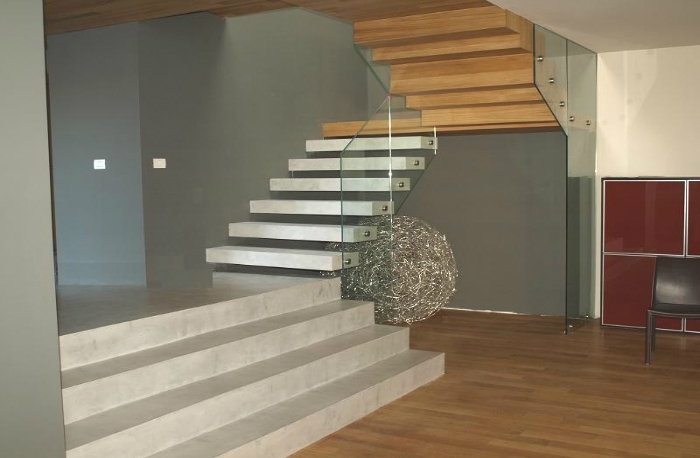
    One of the most sought-after styles in modern interiors is the concrete floating staircase—a bold design statement that combines architectural impact with solid structure.
    In a Concrete Cantilever Stair Design, each tread is self-supporting, creating that signature floating effect. These floating concrete treads typically range from 700 mm to 1300 mm or more in width, with a tread thickness between 60 mm and 110 mm, depending on design and structural requirements.

    Because of the substantial weight—each tread can weigh up to 120 kg—this type of staircase requires precise structural calculations for both the supporting wall and the cantilevered steps. It’s a design where engineering expertise is essential, from fabrication to installation.
    To elevate the aesthetic, we often recommend integrating LED lighting and a modern glass balustrade, which adds elegance and enhances the floating illusion.

    How do floating staircases work with concrete?
    The key is in the planning and execution. With such heavy elements, transport and installation can be challenging. But the payoff is a staircase that feels incredibly stable and rigid, with virtually no movement or deflection, even under dynamic use.
    For clients looking for a similar look with easier handling, we suggest resin floating staircases. Resin treads offer the same sleek, floating visual—while replicating the texture and appearance of marble, granite, concrete, or other natural stone surfaces. Lightweight, durable, and visually indistinguishable from real stone, resin floating treads are a smart alternative when weight or structural limits are a concern.
    Whether you choose concrete or resin, the result is a stunning, sculptural staircase that perfectly balances strength, style, and modern sophistication.

    resin floating staircase

    Floating Staircases Structural Details

    In addition to the cantilever systems outlined above, we offer a wide range of custom-engineered solutions tailored specifically to your project. Every staircase we design is carefully studied, developed, and adapted to suit the unique structural and aesthetic needs of your space.
    As we’ve covered, there are several ways to achieve a successful Floating Staircase Design, and each method depends on precise technical planning.

    One of the most critical factors to consider before committing to a cantilever staircase is the type and strength of your supporting wall. This will determine whether a traditional cantilever, alternative hidden structure, or a hybrid floating system is best suited for your project.
    Whatever your vision, our team will guide you through the possibilities and provide the right structural approach to ensure your floating staircase isn’t just beautiful—but also safe, strong, and built to last.

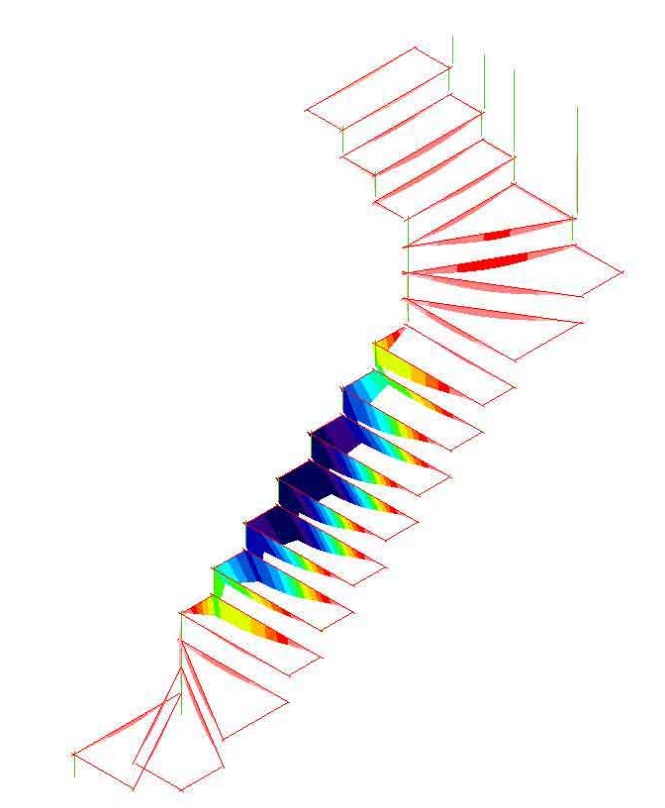
    Floating staircase structural analysis
    Floating Staircase structural details

    Floating staircase structural analysis - How do Floating Stairs Work? 2026 floating stairs solutions

    If your wall is reinforced concrete and has a load capacity of around 250 kg per step, you’re in the perfect position to install virtually any suspended staircase design. In this case, the railing can be purely aesthetic, such as frameless glass, with no structural function required.
    However, if your supporting wall can only handle around 100 kg per step, additional engineering is needed. In these situations, we integrate the railing as a structural element, connecting the treads with spacers or rods that link each step to the next—creating a self-supporting system that distributes loads evenly. This design maintains the floating appearance while ensuring safety and rigidity.


    Now that you have a clear understanding of how floating staircases work, you might be asking:
    What does a floating staircase cost?  For more on pricing, explore our dedicated post on floating stairs price. 

    Need expert advice or still deciding on the best design for your space?
    We’re here to help you choose the right solution—and ready to bring your cantilever staircase project to life with precision and style. How do Floating Stairs Work? 2026 floating stairs solutions


    Request a quote

    To best support you on your quote request, we’ll need some basic information. Please fill out the form or send us an email, we’ll get back to you.                    
                        Get Quotation Now 

    Connect with us

    Whether you are looking for specific information about our Grand Design Stairs solutions or advice for a project, we would be delighted to talk to you.

    Get started and move on to action …


    Floating Staircases Related Articles

    Grand Design Stairs
    EnglishUSASpainFrenchRussia
    Grand Design Stairs
    Privacy Overview

    This website uses cookies so that we can provide you with the best user experience possible. Cookie information is stored in your browser and performs functions such as recognising you when you return to our website and helping our team to understand which sections of the website you find most interesting and useful.